“You talk to vendors better than anyone here. Make sure we don’t get burned.”
That was the owner in March 2024, sliding two memos across his desk. One said concrete pump. One said asphalt paver.
I’m the office administrator for a 120-person concrete and sitework contractor in the mid-Atlantic. Since I took over purchasing in 2020, I’ve handled roughly $1.4 million a year in orders across more than twenty vendors—consumables, PPE, rentals, truck parts, subcontractor agreements. I know vendor diligence. I didn’t know heavy equipment. The owner’s logic was flattering and terrifying at the same time: the machines had to be bought, and he wanted a buyer, not a salesperson, to be the one the suppliers had to convince.
My usual system—three quotes, compare, sign—had worked fine for a decade. It broke down almost exactly twice. The first time was the pump. The second time was the paver, and that one almost cost us the season.
The pump that rewired my purchasing checklist
The Schwing concrete pump came first because the job deadline was May. Every superintendent we had used Schwing before, so that part of the search was easy. The hard part was figuring out which seller to trust.
When I first started pricing pumps, I assumed a dealer is a dealer—that the pump itself is the product and everything around it is just marketing. That assumption lasted about two weeks, until I nearly signed a contract with a wholesale used-equipment seller in another state. Their price on paper was almost $50,000 under the next quote. If I remember correctly, I had already drafted the email asking for wiring instructions.
What stopped me was a demo. The regional Schwing distributor had invited us to their Farmingdale yard one Thursday in April. They had just finished prepping a Schwing electric line pump for another contractor, and it was sitting next to a diesel unit, so you could stand between the two and compare. I went intending to ask about price. I ended up asking about everything except price.
The sales manager didn’t open with numbers. He opened with the rock valve, and why that design meant fewer wear parts over a pump’s life. Then he introduced us to the service manager, who showed us the parts shelf and explained what they stocked for the models they sold. Nobody pushed a signature. Somewhere in that conversation, it clicked: the machine is only part of what you’re buying. You’re also buying the person who answers the phone when something breaks.
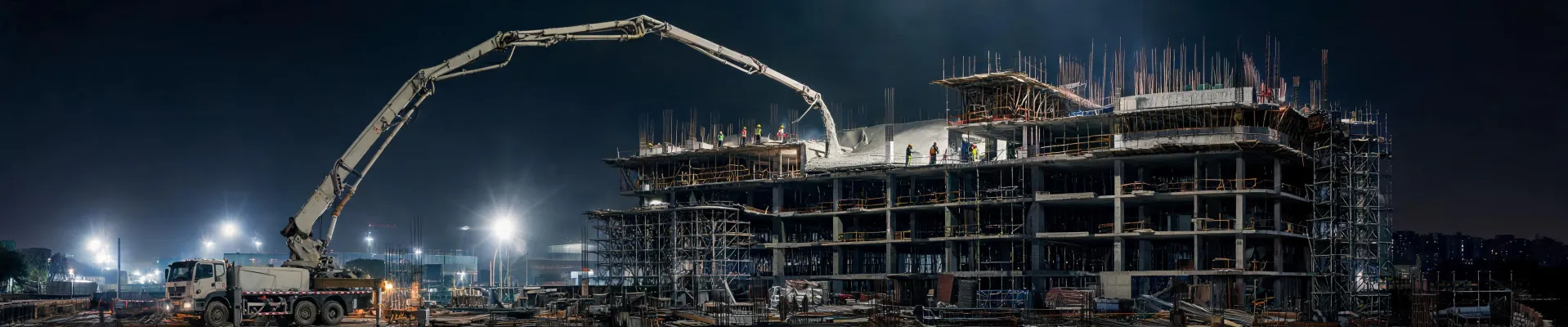
We paid more than the out-of-state quote. I’m not going to pretend otherwise. But that machine ran all fourteen pours on the mid-rise job, and the one Friday we had a minor sensor issue, the part was stocked forty minutes away. We lost half a day, not two weeks. For a contractor our size, that difference is the difference between making payroll and explaining to the owner why a crew sat idle.
The asphalt paver that taught me what wholesale actually means
By June the paving job was under contract, and I was back at a search bar. I typed “asphalt paver wholesale” because that’s the language the market uses. Then, honestly, I typed “how to choose asphalt paver for wholesale” because I didn’t trust myself yet. My search history looked like an AI wrote it. That’s what being out of your depth looks like.
Here is the mistake I want to warn other office administrators about: when I first started looking at asphalt pavers, I assumed “asphalt paver wholesale” meant the same thing as factory-direct pricing—dealer overhead cut out, no middleman, just the machine at cost. That logic almost worked for hand tools. For heavy machinery, it was dangerously wrong.
The most tempting listing came from a company that described itself as a wholesale paver supplier. Their price was about $82,000 under the next serious quote. The salesman was friendly, returned calls quickly, and sent a clean-looking spec sheet. I was six days from signing—maybe closer—when I ran the same checklist I had built after the pump purchase:
- Who commissions the machine before delivery?
- Who stocks parts within a reasonable distance of our jobs?
- Who honors the manufacturer warranty, and where does that get registered?
The answers came back as a shrug in email form: “Unit sells as-is. Wholesale pricing isn’t dealer pricing.” And for a moment, I almost accepted that. Then I looked up what an actual asphalt paver distributor is, and I realized I had been comparing two different business models by price alone.
A legitimate wholesale asphalt paver distributor—the factory-authorized kind—can still quote wholesale prices to qualified commercial buyers. I didn’t know that until I started asking. But the machine comes through the manufacturer’s channel, with the warranty registered, with a pre-delivery inspection on paper, and with somebody who has to keep living in your region after the check clears.
The broker’s machine had none of that. It had clean paint and a low number, which is exactly what made it dangerous.
We went with the authorized distributor. The price was higher, but the difference paid for something real: a manufacturer warranty that didn’t require a lawyer, a technician who came out and walked our operator through the machine’s setup, and a parts counter that had the filter we needed when we plugged a hydraulic line with our own mistake. The paver finished its first subdivision streets without the kind of downtime that kills a small contractor’s schedule.
So glad we checked before signing. We were one e-signature away from a very cheap machine with no local support, no warranty, and no one to call. The owner said “don’t get burned.” The burn was waiting 2,000 miles away.
The questions I still use
If someone asked me today how to choose an asphalt paver for wholesale, I wouldn’t start with the machine itself. I’d start with the seller’s authority to sell it.
Wholesale is a buying channel, not a certificate of quality. Some of the lowest “wholesale” listings in construction equipment come from auction flippers who carry no inventory, no liability, and no service department. A true distributor has a territory, a factory relationship, and a reason to keep you happy for the next twenty years, not just until the wire transfer clears.
My experience is one purchase cycle at one mid-size contractor—one pump, one paver, one region. If you’re outfitting a fleet or buying across state lines, the math changes, and you should probably be talking to someone with a fleet maintenance background, not just the office admin. But for a company our size, the rule held: buy from the seller who has to live with the machine after you drive it off the lot.
That, and always ask who answers the phone on a Friday afternoon. Because the price tag is negotiable. Downtime isn’t.