-
The Parts Pipeline Is the Real Spec Sheet
-
Boom, Line, or Truck-Mounted: Matching the Pump to the Job
-
Why Our First Electric Schwing Line Pump Changed My Mind
-
Small Orders Are a Signal—Use It
-
Concrete Mixer Wholesale: A Cost Guide Reality Check
-
Asphalt Paver Distributors: Same Rules, Different Machine
-
When My Rules Don't Apply
Buying a Schwing concrete pump comes down to one thing: check the parts pipeline before you negotiate the price. A $20,000 discount on a boom pump means nothing when a rock valve seal fails and you're staring at a two-week lead time for a part your dealer didn't stock. I learned that lesson in 2023 with our P88, and I'd rather you learn it from this article than from a dead pump and a crew standing around on a jobsite.
I should be clear about who's telling you this. I'm the procurement administrator for a 40-person concrete contracting company. I manage roughly $2 million in annual spending across 12 vendors—everything from safety vests to major equipment purchases. When I took over purchasing in 2020, I knew the concrete business, but I did not know how to buy equipment. I learned by making mistakes, cleaning them up, and taking notes. This is basically those notes.
The Parts Pipeline Is the Real Spec Sheet
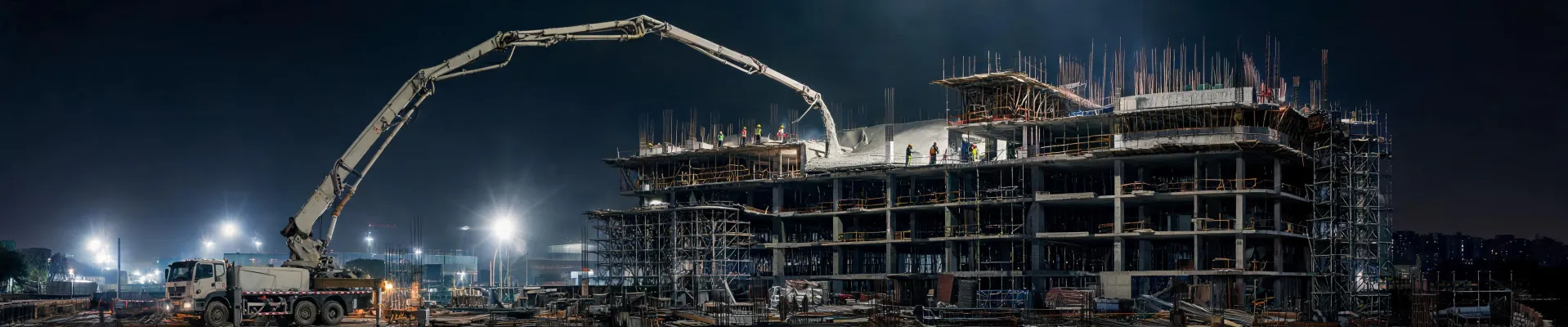
Every Schwing concrete pump—whether it's a 36m boom pump, a P88 trailer pump, or one of Schwing's electric line pumps—lives or dies by the dealer network behind it. The machine itself is genuinely well-built. Schwing's rock valve design is a big reason their pumps handle harsh mixes without constant clogging. I'll leave the engineering arguments to the spec sheets. What I can tell you from a procurement perspective is this: support network beats spec sheet, every time.
We found a used P88 from a dealer three states away for $58,000. About $12,000 under any comparable listing within 200 miles. Great deal, right? Six weeks after delivery, the pump's rock valve seal failed. I called the dealer, and they said they'd get the part to us "as soon as possible." Those were the exact words. I heard "I'll overnight it." They meant "we'll include it in our next weekly parts shipment." Result: 11 days of downtime on a job in Reno, with our crew getting paid whether or not the pump was running.
So now I have a rule: no pump purchase gets approved until the dealer answers three questions, in writing. Do they stock Schwing rock valve parts in their warehouse? What's their real lead time for wear parts? And if something has to come from the Schwing factory, what does the freight timeline actually look like? Three questions, in that order. It's not a gotcha exercise. It filters out dealers who move machines from dealers who keep them running.
Boom, Line, or Truck-Mounted: Matching the Pump to the Job
Schwing's product range gives you three basic directions: boom pumps, line pumps, and truck-mounted pumps. The 36m boom pump gets a lot of attention because it's a sweet spot for urban and commercial work—good reach without an enormous footprint. The P88 is a workhorse trailer pump for high-volume pours. And truck-mounted units move between sites without tearing down and setting up each time.
Here's the thing: the right machine depends on your job geometry, not the spec sheet's maximum numbers. Our first boom pump was overspec'd for what we actually needed. It performed fine, but we paid a premium for capacity we used maybe twice a year. When it came time for the second pump, we mapped our job sites over the past two years and bought for the 80th percentile of what we'd actually seen, not the maximum. That's a fairly boring rule, but it saved us real money.
Why Our First Electric Schwing Line Pump Changed My Mind
We added a Schwing electric line pump in 2024, our first electric model. Honestly, I was skeptical about whether the premium was justified. Our operations manager pushed for it because several municipal and indoor projects in our pipeline came with emission restrictions. The surprise wasn't the pump itself—it performed great. The surprise was how the purchase process played out.
The dealer who won our business wasn't the lowest bidder. It was the one who asked about our typical pour sizes, our mechanics' experience with electric drivetrains, and whether we had parts access on-site. They loaned us a demo unit for a week and gave us a realistic total cost picture: higher purchase price, lower daily running costs, different maintenance schedule. Bigger regional distributor didn't bother with any of that. Never expected the smaller distributor to beat out the bigger one, but their process was way more aligned with our needs. One account manager, straight answers, no ticket system. That difference is hard to quantify, but it's real.
Small Orders Are a Signal—Use It
This might annoy the fleet managers reading, but small orders matter. When we were placing $300 parts orders, how a dealer handled them told me everything about how they'd treat us later. The ones who took small orders seriously—answered the phone, didn't sigh at a $150 tube of grease—are the exact ones I went back to when we were ready to write a six-figure check. Small doesn't mean unimportant; it means potential.
That said, small orders need internal discipline, too. We didn't have a formal approval chain for rush parts orders. It cost us when an unauthorized rush fee showed up on the invoice. The third time that happened, I created a verification checklist: every expedited order needs an approval code, a date stamp, and a written freight quote before it goes out. Should have done that after the first time.
Shipping charges are part of that discipline. When a dealer quotes $45 freight for a seal that weighs eight ounces, check the math. Per USPS (usps.com), a small flat-rate Priority Mail box is around $10–$11 in 2025 (verify current rates). If a dealer is adding margin on shipping, that's their choice—but it should be transparent.
Concrete Mixer Wholesale: A Cost Guide Reality Check
Concrete mixer wholesale cost is one of those searches that returns everything from $400 cement mixers to $150,000 truck mixers, and none of it is useful without context. Based on quotes we collected from distributors in late 2024, a mid-range 10-yard mixer from an established manufacturer lands somewhere between $70,000 and $110,000, depending on configuration and order quantity. That's a reference point, not a price list. Verify current pricing with actual distributors before budgeting anything—prices move.
The cheapest quote is rarely the most cost-effective. We tested that theory with a budget mixer vendor who underbid everyone by about 15%. The spec sheet looked fine. The hidden costs showed up in maintenance frequency and parts delays. Our mechanic spent way more hours on that unit than on any Schwing product we own. I won't name the brand—that's not productive—but the crew gave it a nickname, and the nickname wasn't flattering.
Asphalt Paver Distributors: Same Rules, Different Machine
We evaluated asphalt paver manufacturers and distributors for a municipal paving project last year, and the same principles applied. Before anyone talked price, we asked about parts stock, service turnaround, and rental backup options. Per FTC advertising guidelines (ftc.gov), performance claims have to be substantiated—so when a manufacturer claimed a specific output rate for their paver, we asked for test data and reference sites we could call. The companies that got defensive? We crossed them off the list.
The distributor we ended up with wasn't the largest. But they gave us names of three local contractors who'd bought the same model, unprompted, and said "call them and ask whatever you want." Nobody else did that. You can't fake that kind of confidence.
When My Rules Don't Apply
I want to be honest about the limits of this advice. If you have an in-house mechanic who can rebuild a Schwing rock valve from memory, parts lead times matter a lot less to you. You can shop purely on price. Similarly, if you're buying a fleet of pumps for a rental business, you have leverage we don't: bulk pricing, your own parts stock, maybe even a direct line to the manufacturer. That's a different buying game with different rules.
My approach is aimed at contractors buying one or two pumps and relying on the dealer network for support. That's the situation I live in, and these are the lessons I've learned. Regional differences matter too—a dealer in Texas won't necessarily operate the same as one in Washington. Ask for local references, actually check them, and run the parts pipeline test before you sign anything.
Prices mentioned here reflect our experience and quotes collected in late 2024 and early 2025. They change. Verify current rates with your dealer, and be pleasantly surprised instead of blindsided.