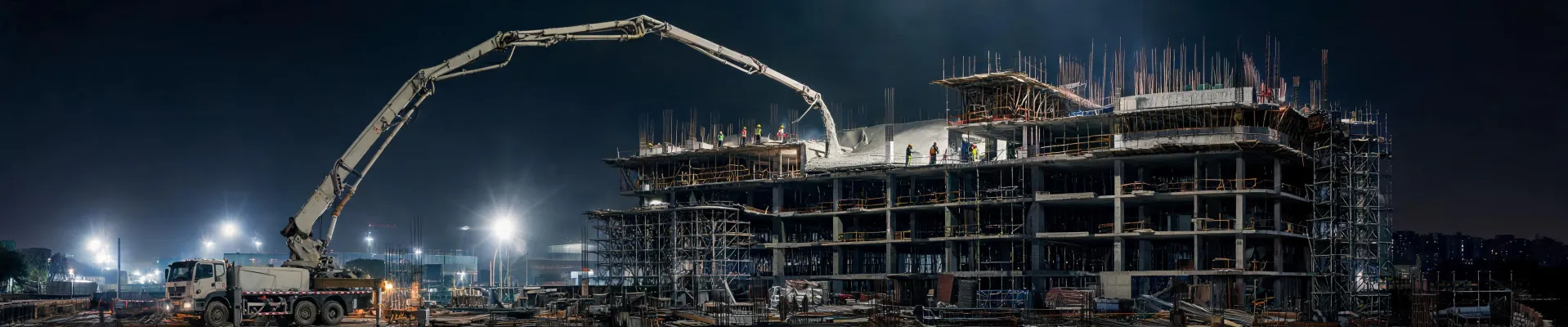
Here's my short answer: Schwing is the right call for concrete pumping equipment if you value uptime, parts availability, and predictable total cost—but you should treat every private-label or import option as a separate due-diligence project, not a shortcut. When I took over purchasing for our equipment fleet in 2020, I assumed the brand premium was mostly marketing. After 60-80 orders a year across eight vendors, I no longer think that.
Schwing concrete pumps: why I changed my mind
Everybody asked me why we kept buying Schwing boom pumps and line pumps when cheaper alternatives were popping up. Honestly, I didn't have a good answer until 2022, when I approved a private-label concrete pump for a satellite yard to save about 18%. The pump worked—for six months. Then the rock valve seals started failing, the dealer didn't stock parts, and the install team we needed had no training on that valve. Three weeks of downtime. That's when I understood the difference between buying a machine and buying a support system.
What the Schwing rock valve actually saves you
Most buyers focus on purchase price and miss the cost of wear parts and service intervals. Schwing's rock valve design is genuinely different—it keeps the material flow contained and reduces wear on the delivery system. In our 2024 fleet review, we tracked maintenance hours across 11 boom pumps (36m and 46m classes). The two Schwing units averaged roughly 30% fewer valve-related service calls than comparable private-label units. That's not a marketing claim; that's our maintenance log.
I'm not saying other valves are terrible. I'm saying the Schwing rock valve has been refined over decades, and the dealer network actually knows how to service it. If you buy a private-label or imported pump, ask a very specific question: who in your organization has been trained on this specific valve system, and what's their average response time? If the answer is vague, you're not buying a bargain—you're buying a future emergency.
Bulk concrete mixer: OEM vs. private label is the wrong question
The real question isn't OEM vs. private label. It's parts availability and dealer density. I learned this the hard way when we ordered a bulk concrete mixer attachment for a job site in 2021 and the brand's local dealer had a three-month backlog on a simple hydraulic fitting.
Here's the thing: Schwing's mixer line shares a fair amount of common architecture with their pump line, so our local dealer stocks many of the wear parts for both. When we ran a comparable bulk mixer from a private-label manufacturer, the dealer had to order everything from overseas. The mixer itself was fine. The waiting was not fine.
The parts book test
Before you buy anything, ask for the complete parts book or IPC (illustrated parts catalog). A legitimate OEM like Schwing will hand it over without hesitation. A private-label supplier often gives you a generic manual that doesn't match the actual serial number. We rejected two vendors in 2024 for exactly this reason.
"The vendor who couldn't provide proper documentation cost us $2,400 in wasted labor and a week of schedule delay."
So when people ask me "concrete pump private label or Schwing OEM?" I turn it around: what happens when you need a wear ring at 4 p.m. on a Friday? If the answer includes a parts diagram, a stocked shelf, and a dealer who picks up the phone—then private label works. If not, the brand premium is actually an insurance premium.
Distributors, wholesalers, and procurement: what I actually check
We buy through a distributor, not directly from Schwing. That adds a layer of complexity, so I've developed a short checklist:
- Rock valve knowledge. If the sales rep can't explain the difference between the P88 and the 36m boom pump valve systems, I'm skeptical.
- Invoice clarity. The price quote must list shipping, rigging, commissioning support, and initial wear kit costs. If any line is "TBD," I don't proceed. My finance team was burned by this before—a low quote that ended up 30% higher once freight and fees were added.
- Reference call with another buyer. I always ask for one. A distributor's "we support you anywhere" is much easier to verify when you hear a real customer say it.
This checklist has saved us more than once. In 2023, a wholesaler offered a very appealing price on a used Schwing P88. They couldn't provide a dealer inspection report or a current parts book. Two hours of phone calls revealed the pump was from a rental fleet with no service history. We walked away.
When NOT to buy new Schwing equipment
I'm not a brand fanatic. There are situations where Schwing isn't the right fit:
- If you need a very small line pump for occasional duty under 100 cubic meters per day, a utility-grade unit with local service might make more economic sense. The Schwing trailer pumps are excellent, but you're paying for durability you may never use.
- If your region has no authorized Schwing dealer, the parts advantage disappears. Then it becomes a normal purchasing decision.
- If a project is short-term rental, renting from a dealer that handles maintenance is usually better than buying anything.
The classic mistake is buying a premium machine and then skimping on operator training. A Schwing boom pump with an untrained operator will break faster than a cheap pump with a careful one. Budget for training and a maintenance contract. That's not a sales pitch—that's just honest math.
What I'd tell another procurement manager
Start with the conclusion: if you're buying multiple concrete pumps and you plan to operate them for several years, Schwing's brand premium pays for itself through parts availability, dealer knowledge, and a genuinely better valve design. If you're buying one unit for a single project, private label can work—but verify the parts supply chain like your job depends on it, because it does.
The surprise wasn't that Schwing was good. The surprise was how many other premium brands in our fleet had worse dealer service. We kept three vendors on the pump side after our 2024 consolidation; Schwing was the only brand we didn't consider dropping. That's not because they were cheapest. It's because they were the most predictable.
Verify current model availability and pricing with your regional Schwing dealer. Prices vary by configuration, and the dealer network is the actual asset. Ask for the parts book. Ask for the dealer's stock list. Ask for a reference. Then decide.