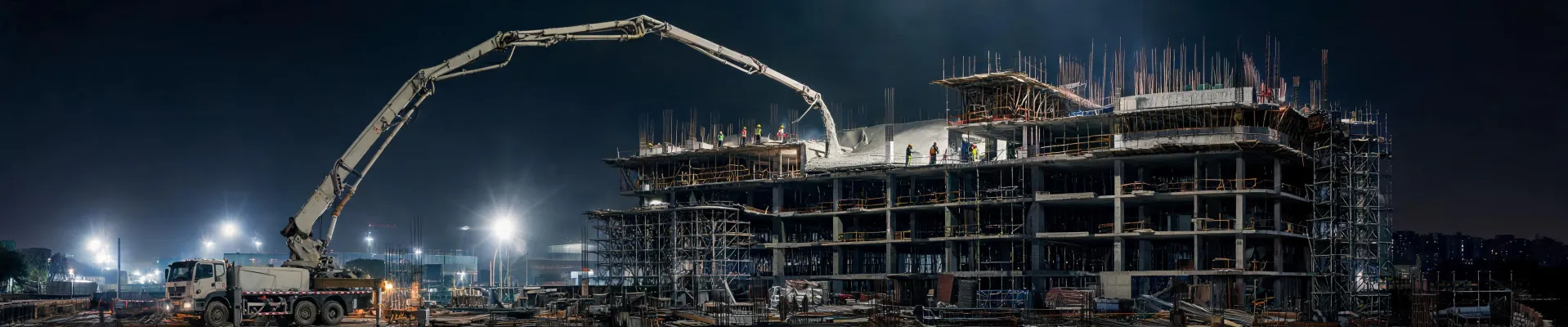
If you are comparing Schwing concrete pump prices, pause. The single most expensive lesson I learned in nine years of buying concrete equipment is this: a good price does not make a pump compliant, and a non-compliant pump is expensive no matter how cheap the quote. I have personally made and documented mistakes that added up to roughly $28,400 in wasted budget. In every case, the machine itself was not the problem. The missing link was compliance.
This is not an attack on Schwing. Schwing is a serious concrete pump manufacturer. The issue is that a concrete pump purchase is also a purchase of obligations: emissions rules, registration, jobsite permits, operator qualification, and inspection records. The person who sells you the iron may not have to live with those obligations. You do.
Before you compare another Schwing concrete pump price quote, run this checklist. A machine that fails one point can still be worth buying, but only if the price accounts for the work needed to make it pass.
- Emissions and engine classification for the state or country where the machine will actually operate.
- Registration and certification records, including chassis, mounting, and any modifications.
- Operator and setup requirements, such as training, inspection, load charts, and site-specific permits.
The mistake that made me change my procedure
In September 2022, we bought a used Schwing pump through a broker. I won't say the broker was dishonest. I think they simply didn't understand the compliance exposure. The pump was mechanically sound. The price was about 18 percent below other comparable units. The photos looked clean.
What I did not do was ask for the full compliance file before the purchase order. When the file arrived, the engine replacement record was incomplete. The replacement engine did not have the same emissions label information as the original build documentation. The unit could not be added to our fleet compliance list for the state where our largest jobsite operated. It sat for eleven weeks while we paid for specialist review, corrections, and a rental replacement. The total financial bump was about $28,400. That is a number I won't pretend to be proud of.
From the outside, it looked like a standard used equipment decision. The reality is that buying a used concrete pump is halfway between buying a truck and approving infrastructure. The documentation is part of the machine. If you don't get it with the sale, you pay for it later.
Three compliance checks before you accept a price
1. Engine and emissions paperwork
Start with the engine. A truck-mounted Schwing pump combines a chassis, a pump, and an engine. If the power unit is an older diesel, you may face emissions restrictions or retrofit requirements in your area. If the engine was replaced, the replacement needs its own certification records. Ask for the engine family name, serial number, and the certificate that will be transferred with the machine.
Emissions requirements are not universal. A machine that is accepted in one U.S. state may not be accepted by another state regulator, and a machine exported to another country may need separate import paperwork. It's tempting to think a Tier 4 Final label solves all of that. The label only solves it if the label matches the rest of the file.
2. Registration, mounting, and manufacturer certification
The second check is less exciting and more expensive if you miss it. Does the machine have a clean title? Does the pump mounting match the chassis certification? If the previous owner changed the outrigger setup or the gross vehicle weight rating, was that change engineered and documented? Silence from the seller means the answer is probably missing.
For U.S. construction sites, concrete pump compliance requirements can include OSHA's concrete and masonry construction rules in 29 CFR 1926 Subpart Q. Some contractors and inspectors also reference ASME B30.27 for material placement systems. Ask the seller how the machine supports those requirements. The same logic applies when you select a concrete mixer distributor for a ready-mix fleet: ask what certificates come with every new mixer, not just the price.
3. Operator and setup requirements
Concrete pump compliance requirements do not stop at the machine. Someone has to set it up, inspect it, operate it, and keep the records. Does your crew already have the required training? Does the seller include setup diagrams, load charts, and a safety manual that matches the exact configuration?
If a machine is sold without those documents, it is incomplete. If a reseller says you can download the manual later, then the machine is not worth the risk of a delayed schedule.
What changed in 2025 and what did not
The most significant change I have noticed is not in the iron. It is in the approval layer around the iron. In 2020, a customer might ask about boom length and delivery time. In 2025, contractor procurement portals ask for emission certificates, insurance, operator qualifications, and a completed safety questionnaire before the pump is allowed on site. A strong brand name does not answer those questions.
What was best practice in 2020 may not be enough in 2025. But a few fundamentals have not changed. The pump must fit your concrete mix, the delivery distance, and the site conditions. The crew must know how to handle it. The wear parts must be available through an authorized parts channel. Those basics still favor a brand like Schwing when you buy through a distributor who takes compliance seriously.
Schwing concrete pump price: what to compare after compliance
Once the compliance file looks right, compare the real purchase cost. A Schwing concrete pump price quote is only useful if it includes the same machine specification, the same accessories, the same compliance paperwork, and the same support commitment. When one quote includes a pre-delivery inspection and the other doesn't, the lower number is not lower. It is less complete.
Ask for six things in writing: base price and payment terms; delivery, freight, and import handling; boom and mounting configuration; compliance documents included with the unit; pre-delivery inspection and repair report; and warranty plus parts support through an authorized dealer.
As of January 2025, I would not trust a one-line internet price. Prices move with exchange rates, boom configuration, emissions packages, freight costs, and whether the unit comes from an authorized dealer or a reseller. Ask for a quote date and a validity date. If the seller won't put the details in writing, that is as informative as any mechanical inspection.
When this checklist matters less
There is one honest exception: buying a pump for parts or scrap recovery. If the machine will never operate as a concrete pump and you write that into the purchase agreement, a partial compliance file may be acceptable. For everything else, the checklist applies.
A brand-new Schwing pump from an authorized distributor should carry less compliance risk, because complete documentation can be provided at delivery. Less risk is not zero risk. If you order a machine configured for a different emissions region, even a new machine may need changes or additional approval before it can operate. Ask that question before the order is placed, not after the machine arrives.
I'm not a lawyer, and I'm not the regulator in your state. That is exactly why I ask for documents before I commit. By the time a lawyer or regulator needs to sort out a bad purchase, the cost has already multiplied. The right distributor will send the compliance file without making you feel difficult. If they don't, you haven't lost a good deal. You have avoided a documented problem.
I still think Schwing builds strong equipment. But we stopped making expensive mistakes when we stopped treating the price quote as the main deliverable. Treat the compliance file as the main deliverable. Then the Schwing concrete pump price becomes what it should be: one part of a manageable purchase.