It Started with a Simple Quote Comparison
It was 2 AM on a Saturday in March 2022 (ugh). I was standing on a job site in the rain, watching a concrete pour grind to a halt. Our brand-new mixer—the one I’d bought to save $12,000—had just seized up. The repair bill would be $4,200, and we’d lose two days of work. That’s when I realized the cheapest option isn’t always the most affordable.
I’ve been handling procurement for construction equipment for 8 years. I’ve personally made (and documented) 3 significant mistakes, totaling roughly $47,000 in wasted budget. Now I maintain our team’s checklist to prevent others from repeating my errors. This is the story of the most expensive “savings” I ever chased.
The $12,000 Decision
In early 2022, we needed a new concrete mixer for a mid-size infrastructure project. Our existing Schwing concrete pump was rock-solid, so I naturally looked at Schwing mixers first. But when the quotes came in, the Schwing mixer was $12,000 more than an off-brand unit from a new supplier. The specs looked similar on paper: 1.5 cubic yard capacity, diesel engine, standard discharge height.
I did what any budget-conscious procurement manager would do—I went with the cheaper option. My logic was simple: save $12,000 now, and we can use that money for other equipment. I didn’t factor in compatibility, parts availability, or downtime. That was mistake number one.
When It All Went Wrong
The mixer arrived on time. It looked fine. But within the first week, we noticed the hydraulic fittings didn’t match our existing Schwing pump’s connections. We needed custom adapters—$800 and a 10-day wait. Then the discharge chute started leaking. The supplier’s warranty covered the part, but not the labor or the downtime. We lost half a day.
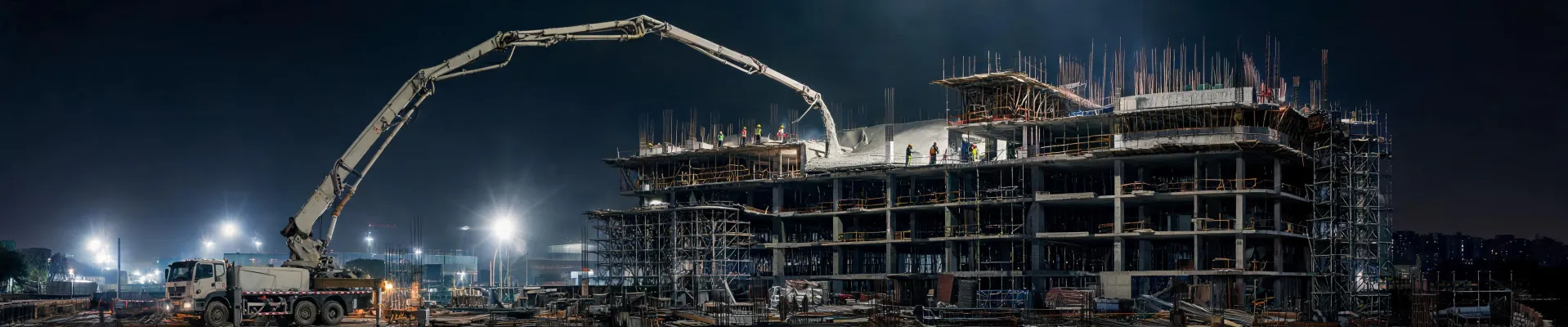
The real disaster hit in March 2022. We were pouring a foundation for a bridge abutment. The mixer’s drum seized mid-pour. We had 20 cubic yards of concrete on site and no way to place it. We had to rent a replacement mixer at $1,200 per day, plus pay overtime for the crew. The total cost of that breakdown: $4,200 in repairs, $2,400 in rental, $1,800 in labor, and two days of schedule delay. The delay alone triggered a $5,000 penalty clause.
I called the supplier. They were unresponsive. When I finally got a technician on the phone, he told me the part I needed was on backorder for 6 weeks. “Can I use an aftermarket part?” I asked. “Not recommended,” he said. “It’s a proprietary design.”
That’s when I learned the true meaning of total cost of ownership. The $12,000 I saved upfront had already cost us $13,400 in just three months. And we still had a broken mixer.
The Hidden Costs No One Talks About
I started documenting every expense tied to that cheap mixer. Here’s what I found:
- Custom adapters: $800 + 10 days of waiting
- Expedited shipping for a replacement part: $450
- Rental mixer for 2 days: $2,400
- Crew overtime: $1,800
- Schedule delay penalty: $5,000
- Repair labor (not covered by warranty): $1,200
Total hidden costs: $11,650. That’s on top of the $12,000 we saved. We were already $11,650 in the hole, and the mixer still wasn’t reliable. I couldn’t sleep for a week. Even after we decided to cut our losses and buy a Schwing mixer, I kept second-guessing. What if the higher price didn’t translate to better reliability? The two months until the first pour with the new mixer were stressful.
Honestly, I’m not sure why the cheaper mixer’s parts were so hard to source. My best guess is it was a proprietary design with no aftermarket support. That’s a risk you don’t take with critical equipment.
The Turning Point
After the bridge abutment disaster, I went back to our Schwing dealer. I explained what happened. He didn’t gloat. He just said, “We see this a lot. People compare unit prices, but they don’t compare downtime costs.” He showed me the Schwing mixer’s parts book—every component was available off the shelf, and most were compatible with our existing Schwing pump. The rock valve technology on their pumps (which we already trusted) had a reputation for reliability and easy maintenance.
We bought the Schwing mixer. It cost $12,000 more upfront, but it came with a 2-year warranty, a dealer network that stocked parts locally, and a design that integrated seamlessly with our existing equipment. In the first year, we had zero unplanned downtime. The mixer paid for itself in avoided penalties alone.
What I Learned (and the Checklist We Now Use)
I’ve since become the unofficial “pitfall documenter” for our team. I keep a running list of mistakes and the lessons they taught us. Here’s the checklist we now use for any major equipment purchase:
- Total Cost of Ownership (TCO) analysis: Calculate purchase price + estimated maintenance + parts + downtime risk over 5 years.
- Compatibility check: Will this equipment integrate with our existing fleet? Are fittings, hoses, and controls standardized?
- Parts availability: Does the supplier have a local parts network? Are OEM parts readily available? What’s the lead time for critical components?
- Dealer support: Is there a local dealer with certified technicians? What’s the response time for service calls?
- Reference checks: Talk to other buyers who’ve owned the equipment for 2+ years. Ask about downtime and parts costs.
We also created a concrete mixer wholesale cost guide for our internal team. It’s based on our 2022-2023 procurement data, and it breaks down the typical price ranges for different tiers:
Concrete Mixer Wholesale Cost Guide (1.5 cubic yard capacity, diesel):
- Budget/off-brand: $12,000 – $25,000 (high risk of parts unavailability, limited dealer support)
- Mid-range (established brands): $25,000 – $45,000 (better parts network, moderate reliability)
- Premium (e.g., Schwing): $45,000 – $80,000+ (OEM parts, strong dealer network, lowest downtime)
Based on our procurement records, Q4 2023. Prices exclude shipping, taxes, and setup. Verify current rates.
This was accurate as of Q4 2023. The market changes fast, so verify current rates before budgeting.
Why This Matters for Concrete Pump OEM and Beyond
When we later needed a new concrete pump, we didn’t make the same mistake. We specifically searched for Schwing concrete pumps for sale because we knew their concrete pump OEM parts were easy to source and their rock valve technology minimized maintenance. We didn’t even look at cheaper alternatives. The total cost of ownership math was clear: a Schwing concrete pump might cost 20% more upfront, but it saves 40% in downtime and parts over five years.
If you’re a B2B buyer, distributor, or procurement manager, I hope my $12,000 mistake saves you from a similar headache. The lowest quote is rarely the best deal. Look at the total cost, the parts network, and the dealer support. Your schedule—and your sanity—will thank you.
And if you’re evaluating a concrete mixer supplier, ask for their parts book. If they don’t have one, walk away.