The text came through at 6:42 on a Tuesday morning. "Call me when you're up. It's down again."
That was Ray, our lead mechanic. Third time in four months. And I already knew which pump he was talking about. I was the one who signed the purchase order.
Quick context: I handle procurement for a 46-person concrete contractor in the Northeast. For six years, I've tracked roughly $180,000 a year in parts, maintenance, and service costs across our fleet. I've compared quotes from more suppliers than I can count, and I keep a cost-tracking spreadsheet that everyone in the office pretends to hate. That spreadsheet caught a $4,200 billing error on a service contract once. It also made me overconfident.
In 2023, that overconfidence led me to buy a concrete pump we shouldn't have bought.
The Quote That Looked Too Smart
We needed a second boom pump. The older one had done solid work for years, but trying to run three active jobs with one pump was getting expensive in its own way. Our lead mechanic put a Schwing concrete pump at the top of his wish list. I told him I'd compare quotes, not just write a check.
I asked three suppliers for pricing. The Schwing dealer sent back a real proposal: machine, options, freight, commissioning—separate line items for everything. The other two replies were shorter. One was a lot cheaper.
I didn't pick that lower number out of laziness. I put it into my total cost sheet. I added freight. I added a first-year parts kit. I even added a training day. After all that, the low quote still looked about $25,000 cheaper than the Schwing package. In Q2 2023, we signed the order.
The first two months went fine. The new pump handled pour after pour. I told Ray, "Looks like the spreadsheet was right." He didn't answer. That silence should have told me something.
What the Lower Quote Didn't Say
Nobody at that supplier lied to me. I want to be fair about that. They just didn't volunteer much.
I never asked where the wear parts were stocked. If I had, I'd have learned they were overseas, with a standard lead time of nine to twelve business days. Nine days is an eternity on a job site.
I also assumed "setup included" meant somebody would put hands on the machine and show our crew. It actually meant a pressure test at their warehouse. Our operators got a video link instead of a technician.
And I didn't ask what happened after hours. The field technician was several states away, and the callback time did not match the word "emergency."
None of that appeared on the invoice. It showed up later, in rental bills and missed deadlines.
The Day My Bargain Caught Up
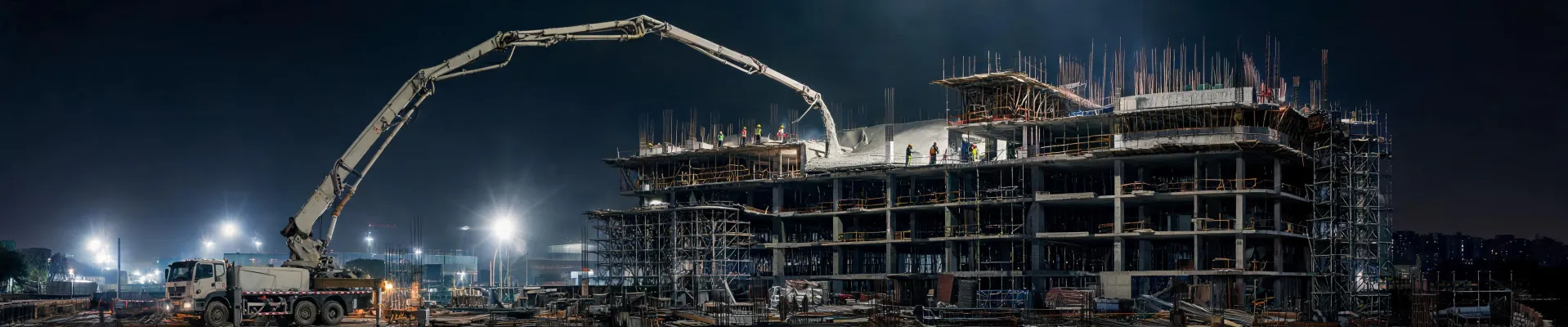
On a Thursday in September 2023, we were pumping a 400-yard mat pour. The new machine was the lead pump. Concrete trucks were lined up, and the finishers were waiting.
At about 1:15 in the afternoon, the pump started losing pressure. Ray went through the checklist, checked the obvious causes, and shook his head. This wasn't an operator issue or a quick fix. It needed parts, and probably more labor than we had on site.
I'm not a hydraulic engineer, and I won't pretend to explain the exact failure. From a procurement perspective, the reason mattered less than the response.
The concrete supplier bills for wait time. The crew bills for overtime. The schedule bills for every hour we lose. Ray said it plainly: "We didn't save money. We bought a problem."
We finished the pour with a rental, and the rental's four-day bill ate about a third of my original price advantage. When the part finally arrived and the repair was done, the math had flipped. Two months later, another wear component failed. By the time I added everything up—downtime, rental, freight, extra labor—that "bargain" had ended up costing us roughly $26,000 more than the Schwing quote I had originally compared.
That weekend I searched "Schwing Electric Farmingdale" from my kitchen table. I wasn't looking for a brochure. I was looking for a service operation within driving distance, one with parts that didn't have to cross an ocean. I finally understood what I'd failed to check earlier: I had compared prices line by line, but I had never compared support networks.
Why We Bought a Schwing Concrete Pump
In early 2024, we ordered a new Schwing concrete pump from the same dealer whose first quote I had dismissed. I expected the conversation to be awkward. It wasn't.
The dealer asked questions nobody else had asked. What mixes do we run? What aggregates are typical? How far is the concrete going? Do we feed the hopper from ready-mix trucks or from a bulk concrete mixer on site?
They didn't tell me the machine "works with everything." No supplier should say that before checking specifications. They said they'd verify our setup before making promises. That sentence, honestly, is part of why we bought from them.
The quote was transparent, line by line. When I asked about parts and service response, I got specific answers, not "as soon as possible."
I won't claim that pump has never had an issue. Any supplier promising zero downtime isn't being honest. But when we've needed support, we've spoken to a real person with the right parts nearby. That, not paint color or resale value, is what we were actually buying.
What to Look for in a Concrete Pump Supplier
If I had to start the search over, this is the list I would keep in front of me:
- Ask what is not included before you ask for the price. A supplier who lists every fee upfront, even when the total looks higher, usually ends up costing less.
- Ask where the parts are stocked. Not just, "Do you have parts?" Ask for lead times on the top ten wear components, and get the answer in writing.
- Ask who commissions the machine and trains your crew. A video link is not training.
- Ask for references from fleet managers who run similar machines in similar work. Sales teams know the price book. Service teams and fleet owners know the real machine.
We used the same checklist later for asphalt paver sourcing when we started a small paving division. Different equipment category, same expensive lesson.
I can only speak to our operation in the Northeast, with its particular jobs and volume. Your mileage may vary if your work is different. But ask the questions before you sign, not after the machine stops in the middle of a mat pour.
Price is what shows up on the quote. Cost is what shows up in the ledger after the machine runs.